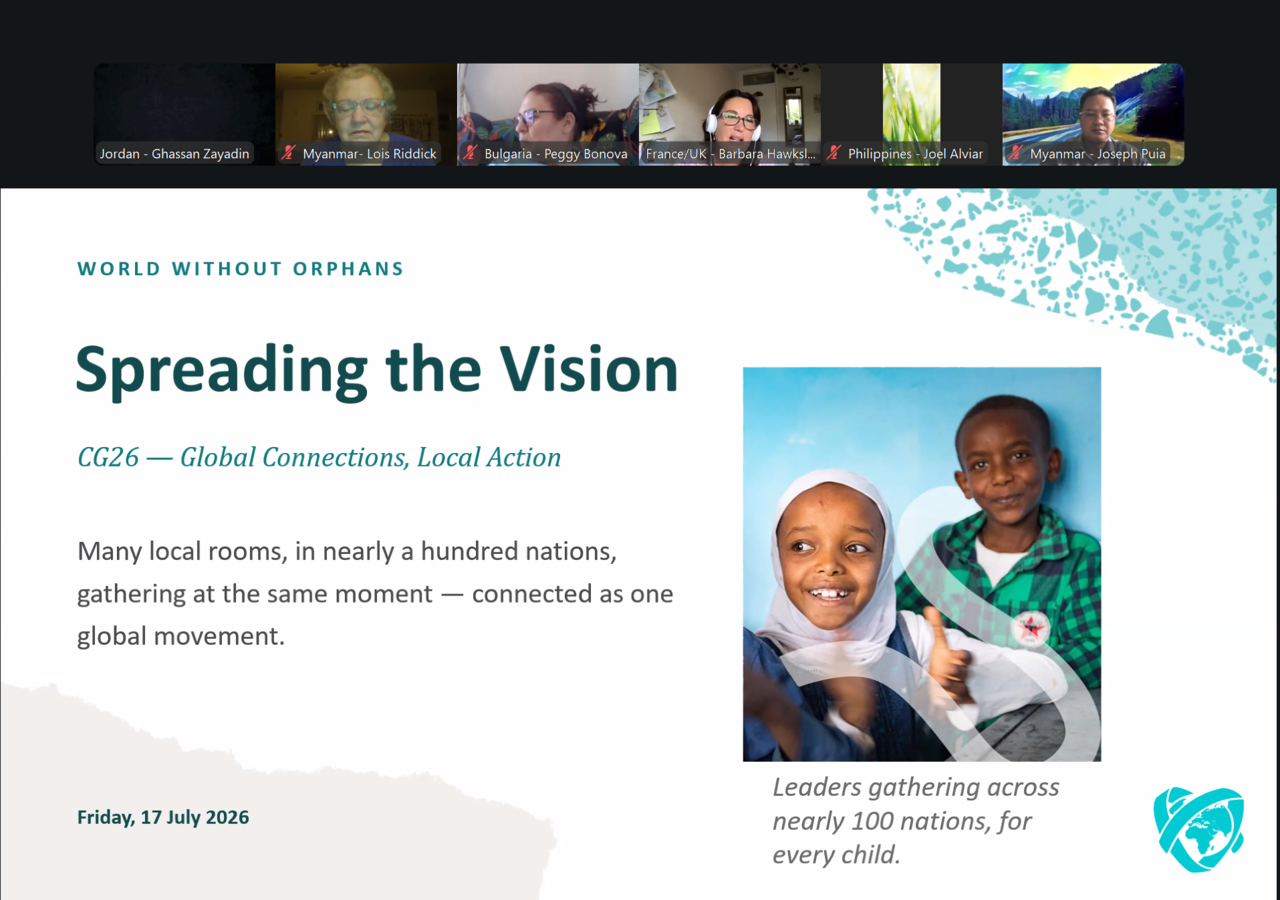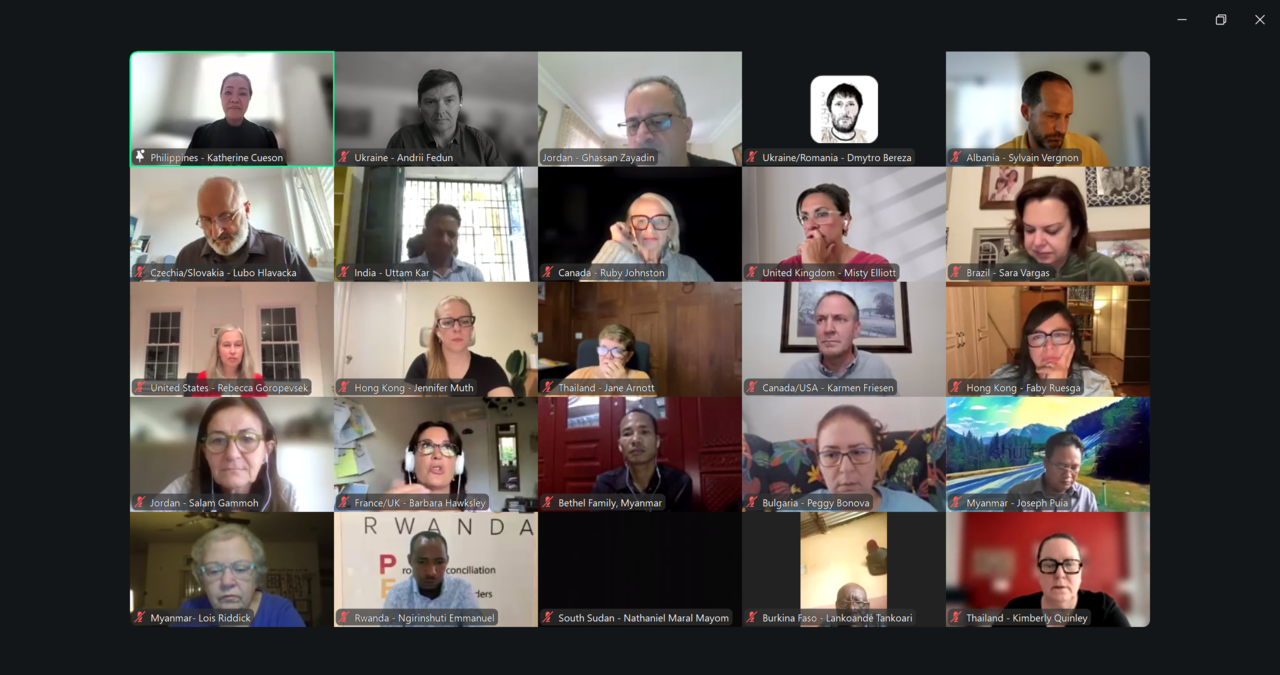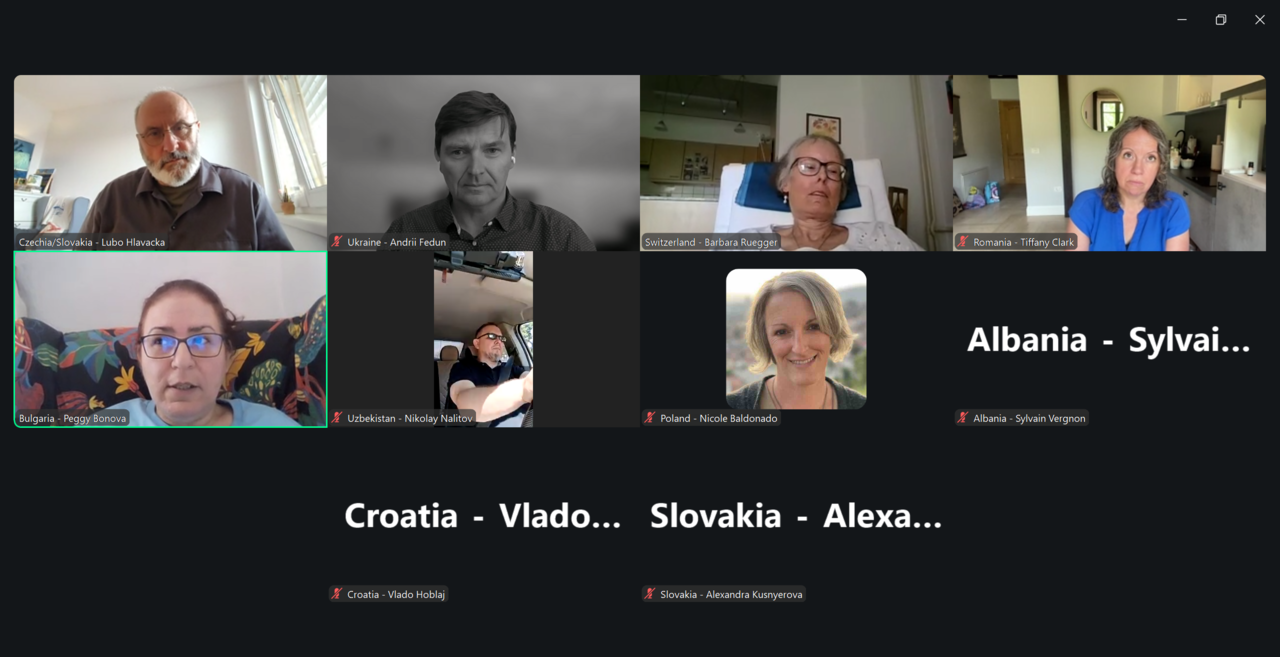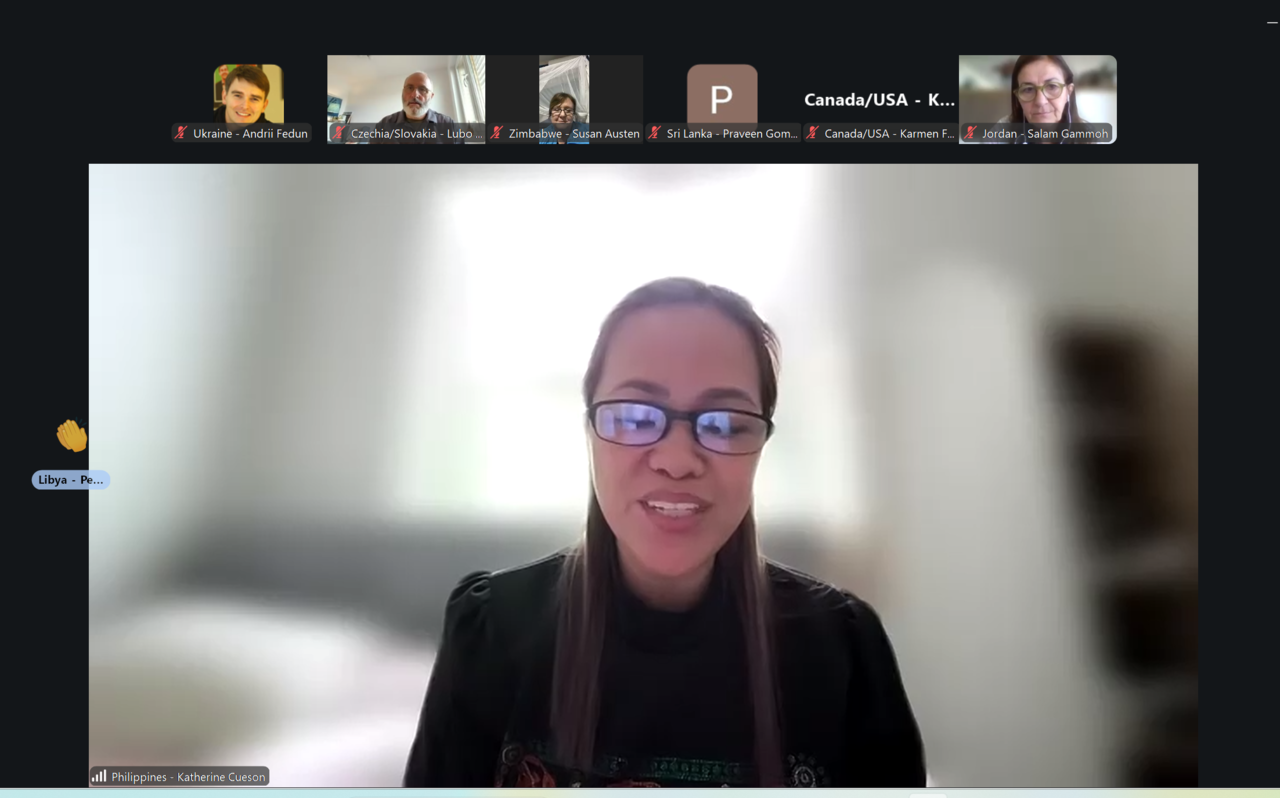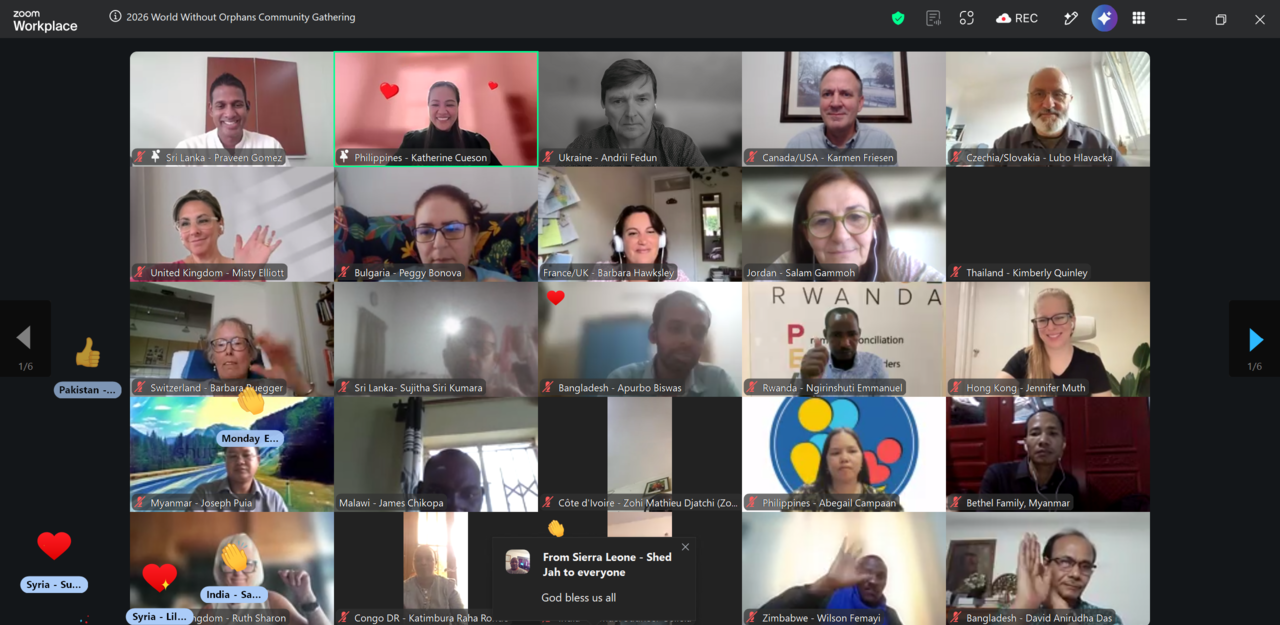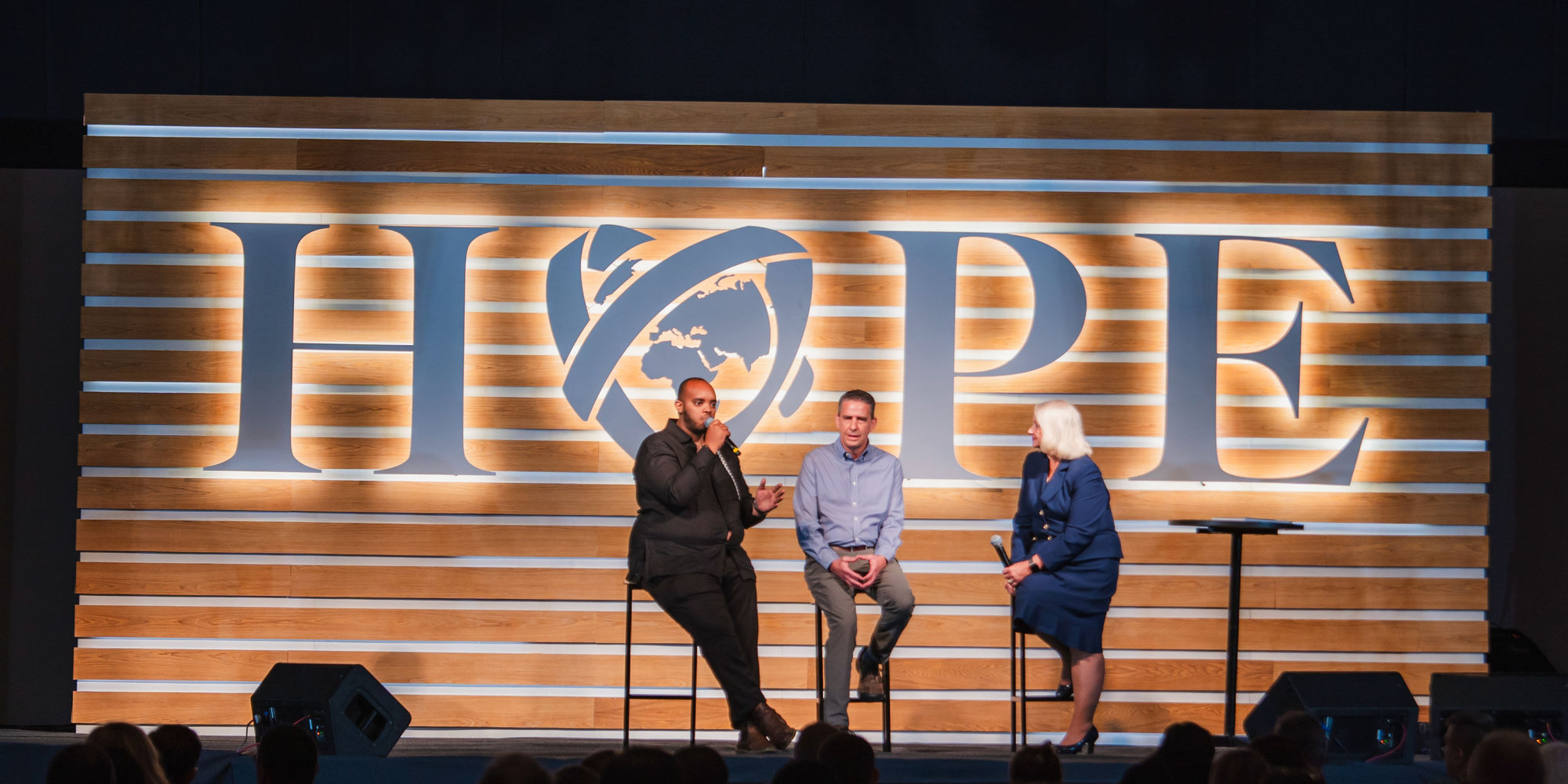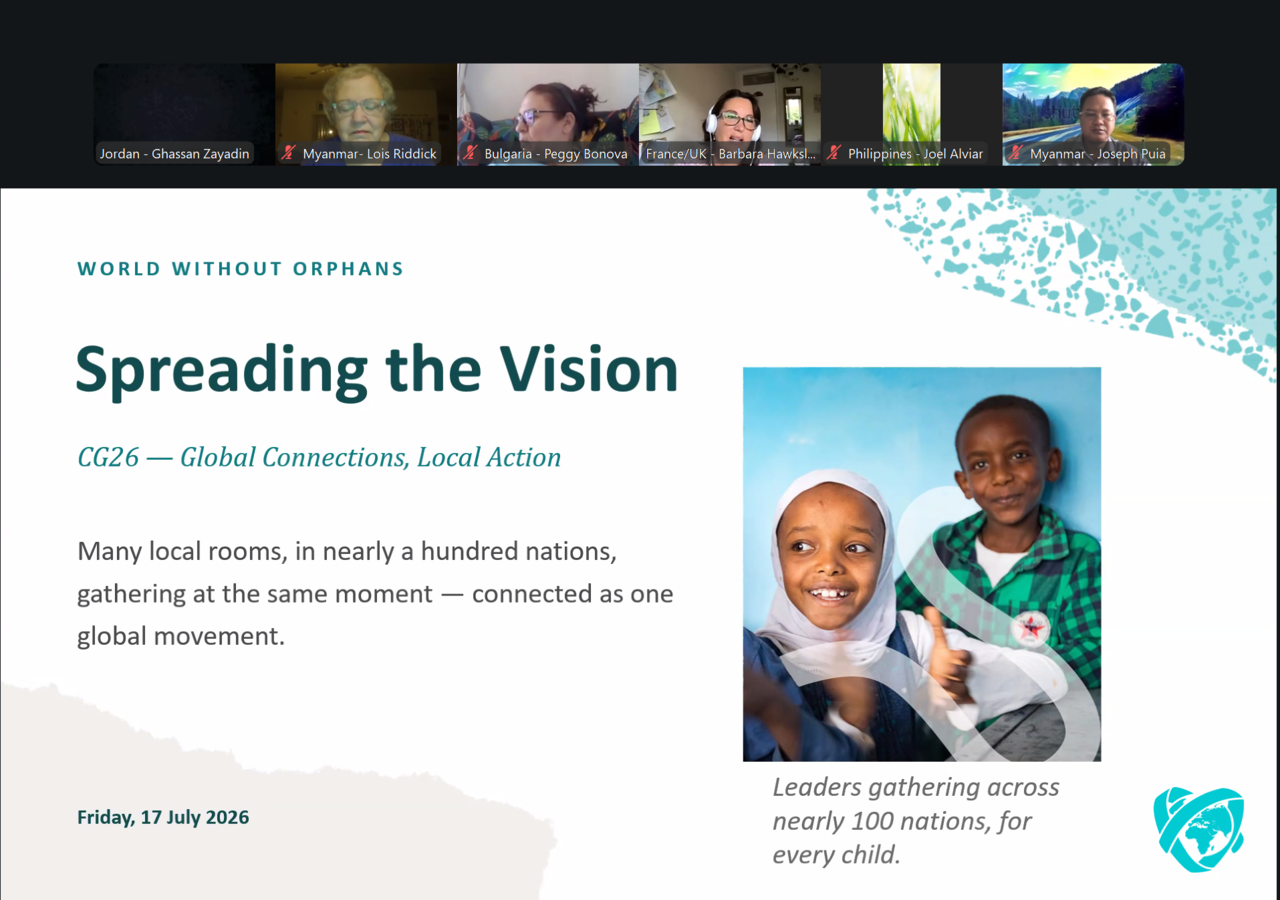
On July 17, World Without Orphans hosted the WWO Community Gathering 2026 under the theme Global Connections, Local Action. More than 500 people came together across 58 countries, with 256 joining online and 252 gathering in local in-person groups. It was a beautiful picture of a global movement taking shape in local places: churches, homes, offices, and national teams creating space for conversation, prayer, and practical reflection.
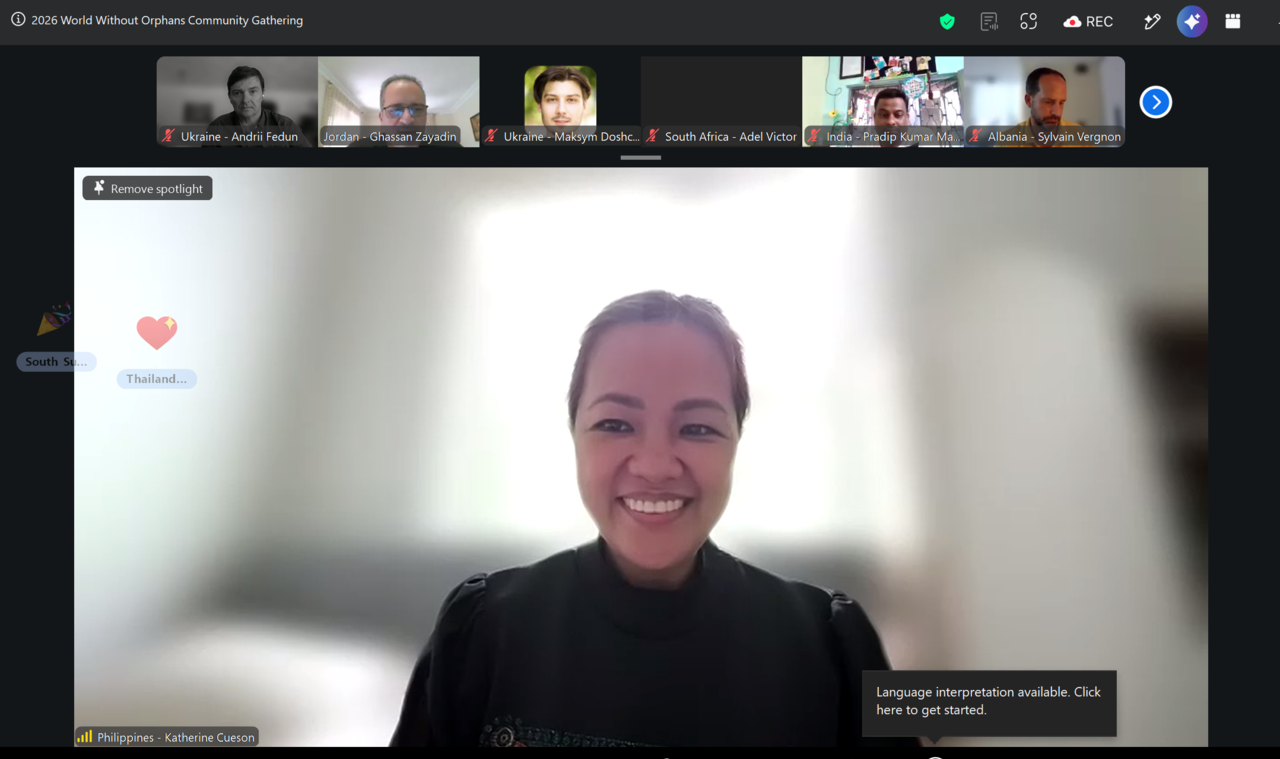
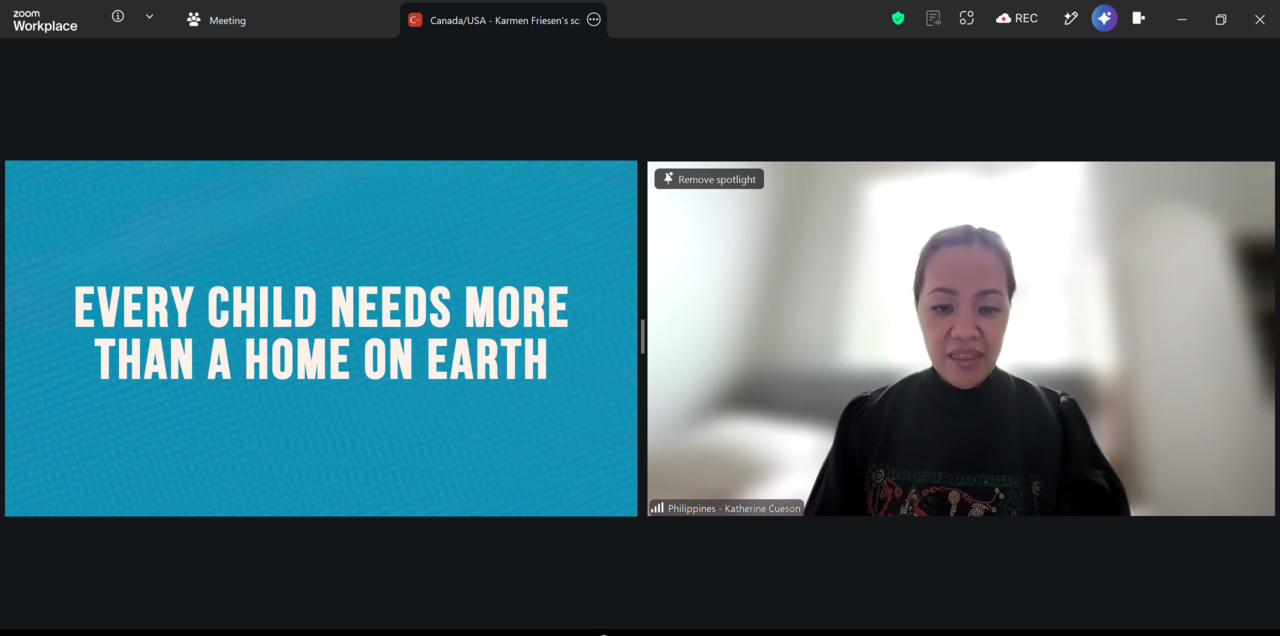
The gathering opened with prayer and a clear reminder of why the WWO community comes together. Pastor Kathy Cueson welcomed participants from different parts of the world as people “united by a shared vision” and Karmen Friesen frame the day with that vision: every child growing up in a safe, loving family and community, knowing their Heavenly Father, and reaching their God-given potential. As Karmen said, “What matters most is how you are gathering with others in your community to work together for the sake of children.”

The program followed four core parts of the WWO vision: Every Child, Family and Community, Knowing Their Heavenly Father, and God-Given Potential. Each theme paired short teaching with real-life stories and reflection. Together, speakers brought stories from Sri Lanka, Zimbabwe, Hong Kong, Albania, the United States, and beyond, showing how God is working through ordinary people, local churches, families, and national movements.
Learning Together for Local Action
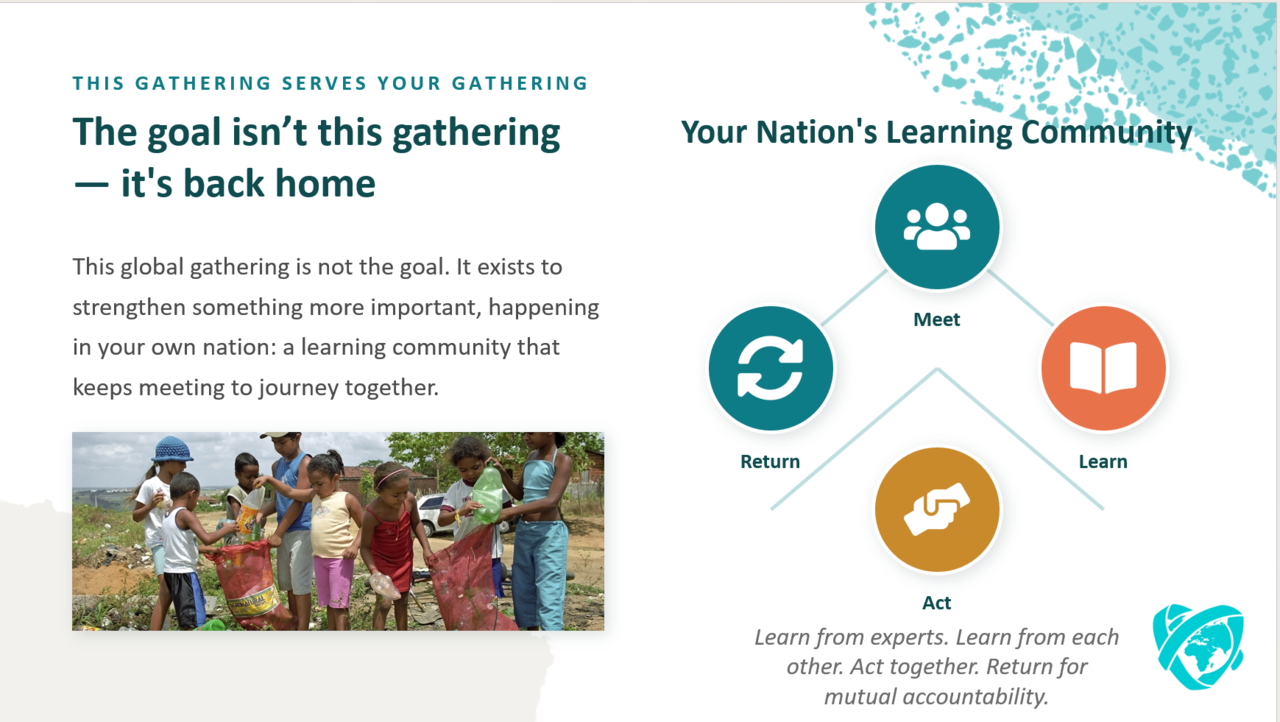
Lubo Hlavacka introduced the WWO Learning Community approach as a way to move from shared vision into sustained action. He encouraged participants to learn from others, contribute their own experience, put learning into practice, and remain accountable in relationships. His reminder captured the heart of the gathering: “We are not created to live alone. And we are not even created to learn alone.”
Every Child
The first theme, Every Child, invited participants to see children as God sees them. Praveen Gomez reminded the group that children are made in the image of God and are not waiting to become important someday. They already carry dignity, calling, and purpose. His challenge was clear: “Children are not an afterthought in God’s Kingdom. They are central to His mission.”
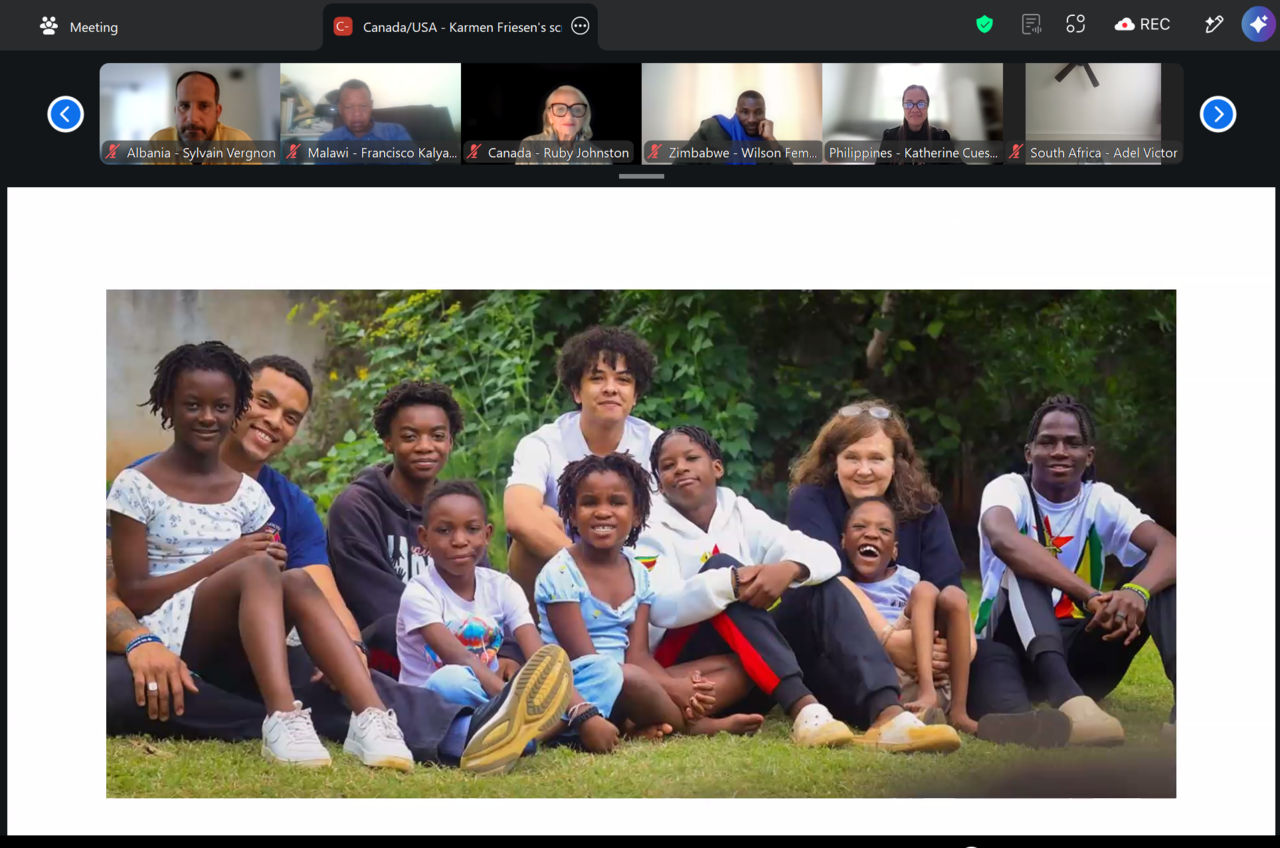
Sue Austen, Training Lead for Zimbabwe Without Orphans and Founder and Program Director of Kukosha, shared a deeply personal story of a child who entered family care with complex medical needs and challenges. Her testimony moved beyond statistics and reminded participants that every large number represents a child with a name, a story, and God-given potential. She reflected, “Every child has a story. Every child has potential.”
Family and Community
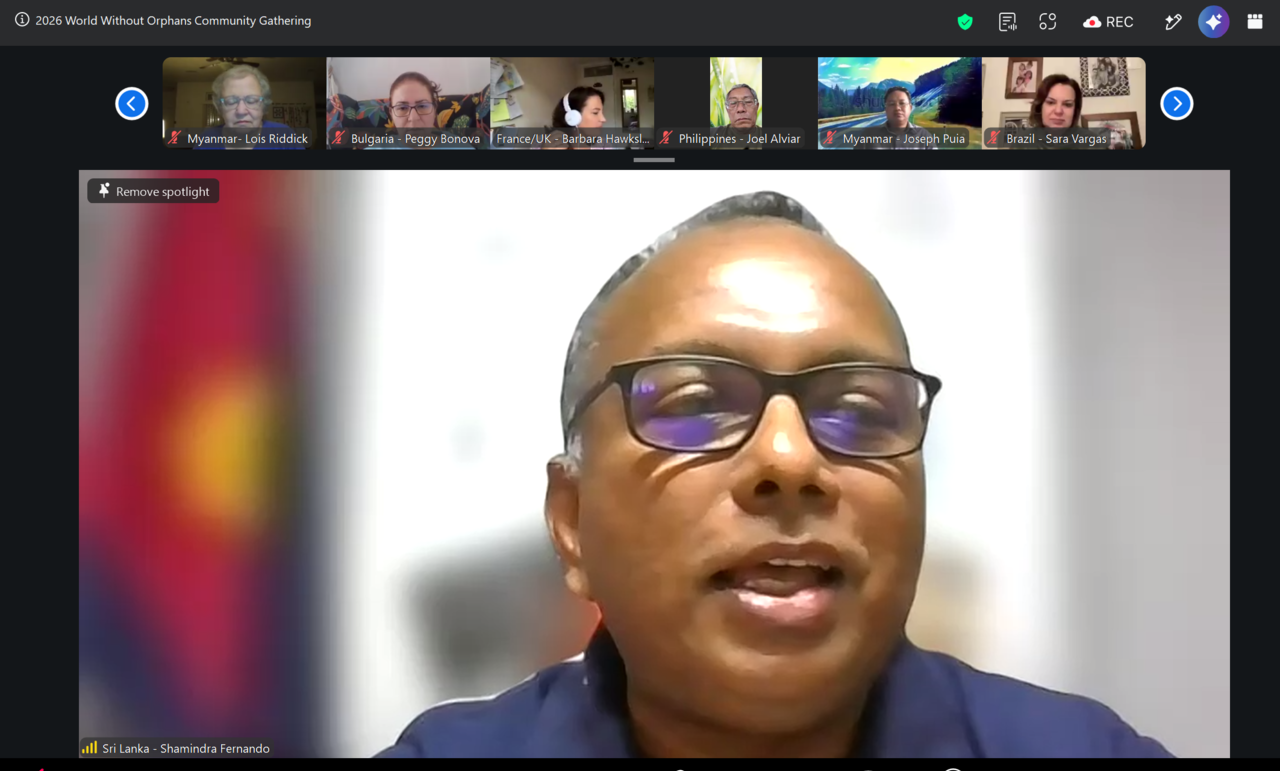
The Family and Community section emphasized that no child or family should carry hardship alone. Shamindra Fernando reminded participants that God designed family as the first place of belonging, and that community has an essential role in strengthening families under pressure. His closing words captured the spirit of the session: “No family should walk this alone, and neither should we.”
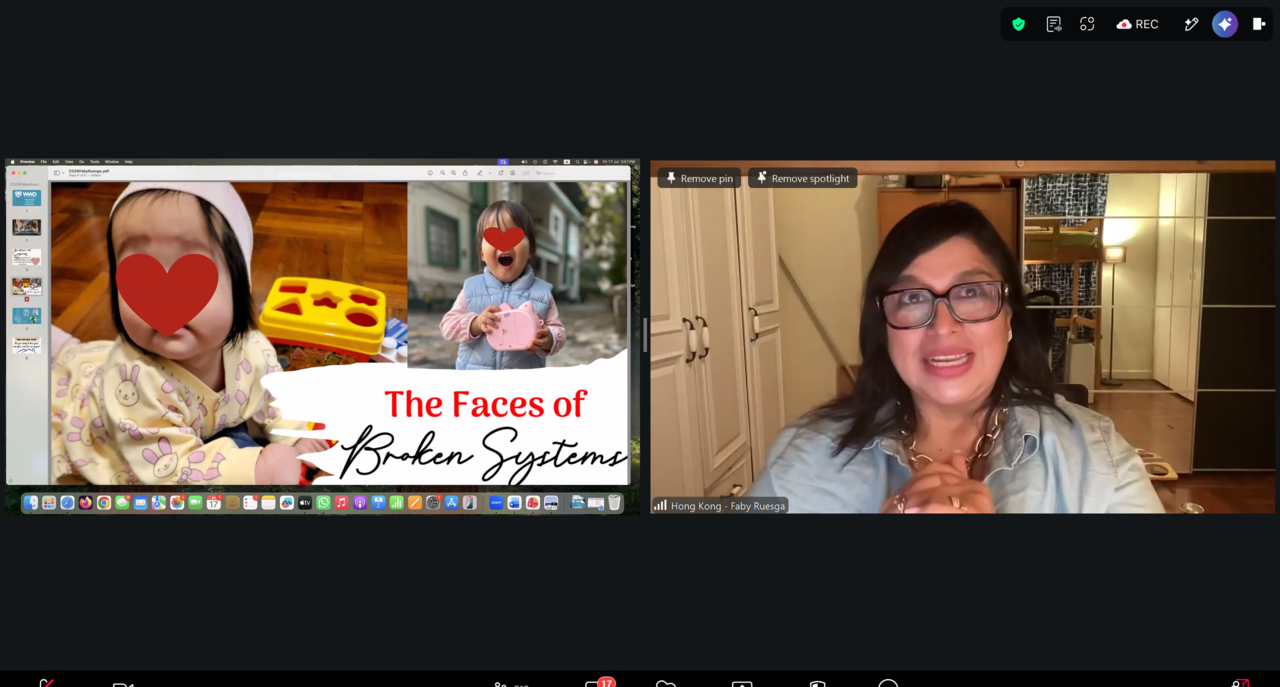
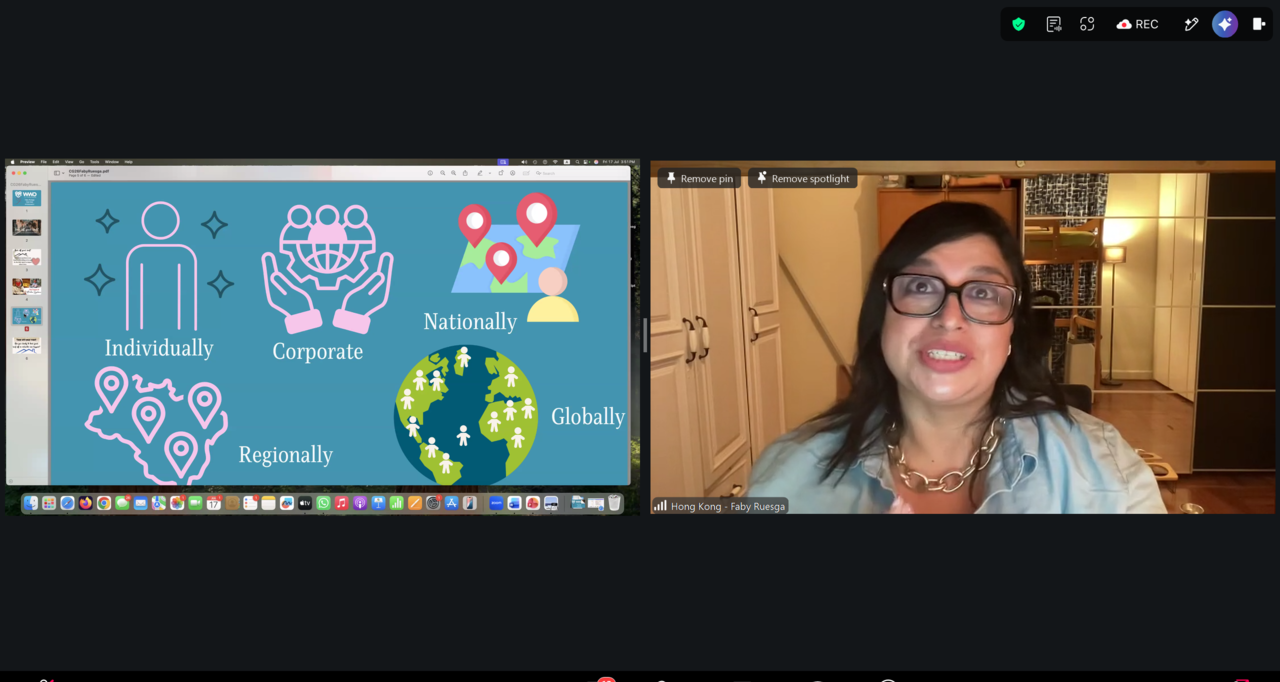
Faby Ruesga then shared how fostering in Hong Kong changed her life, opened doors for advocacy, and deepened her understanding of the gospel. Her question to participants was both practical and spiritual: “How willing are we to be inconvenienced by the gospel so that children can experience family, healing, and belonging?”
Knowing Their Heavenly Father
The third section turned attention to a central part of the WWO vision: children not only need care and protection, but also the opportunity to know the Father who never abandons them. Pastor Kathy Cueson reminded participants that many children ask deeper questions of belonging and identity: “Who loves me? Do I belong? Am I wanted?” Her challenge was both personal and practical: “Not everyone is called to adopt. But every follower of Christ is called to reflect the Father’s heart.”
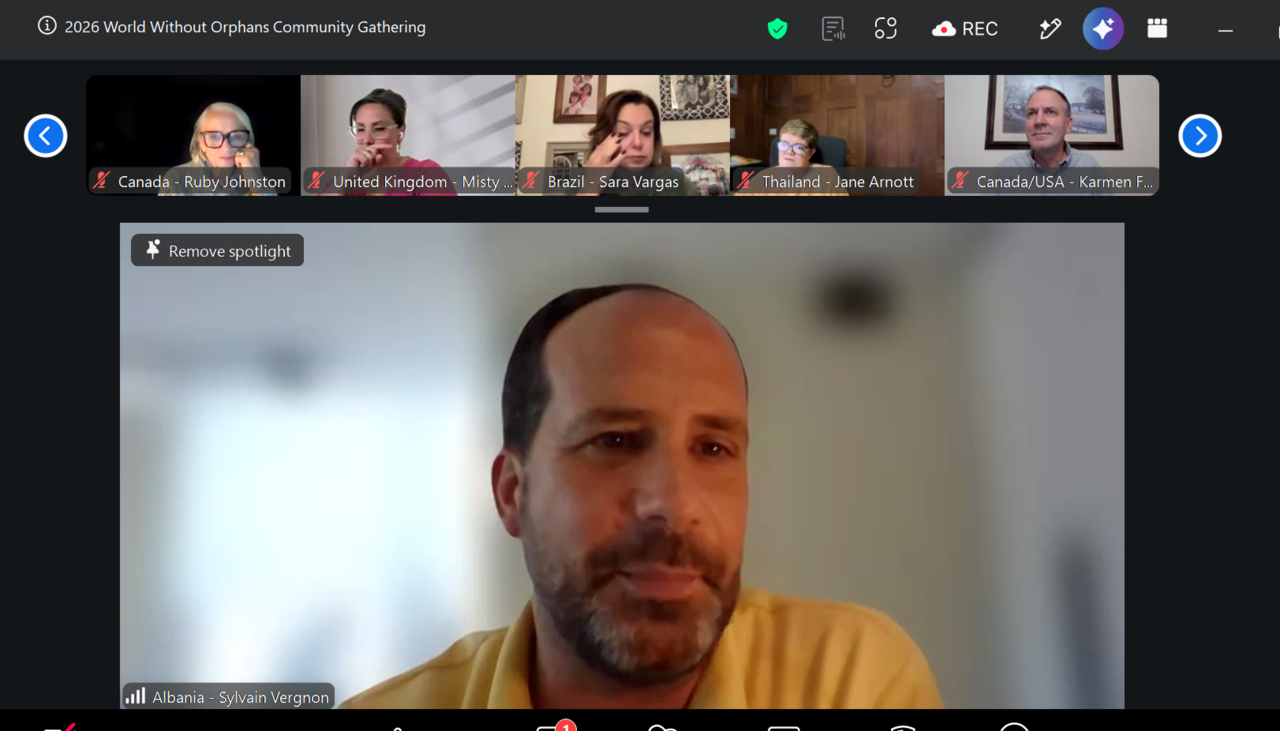
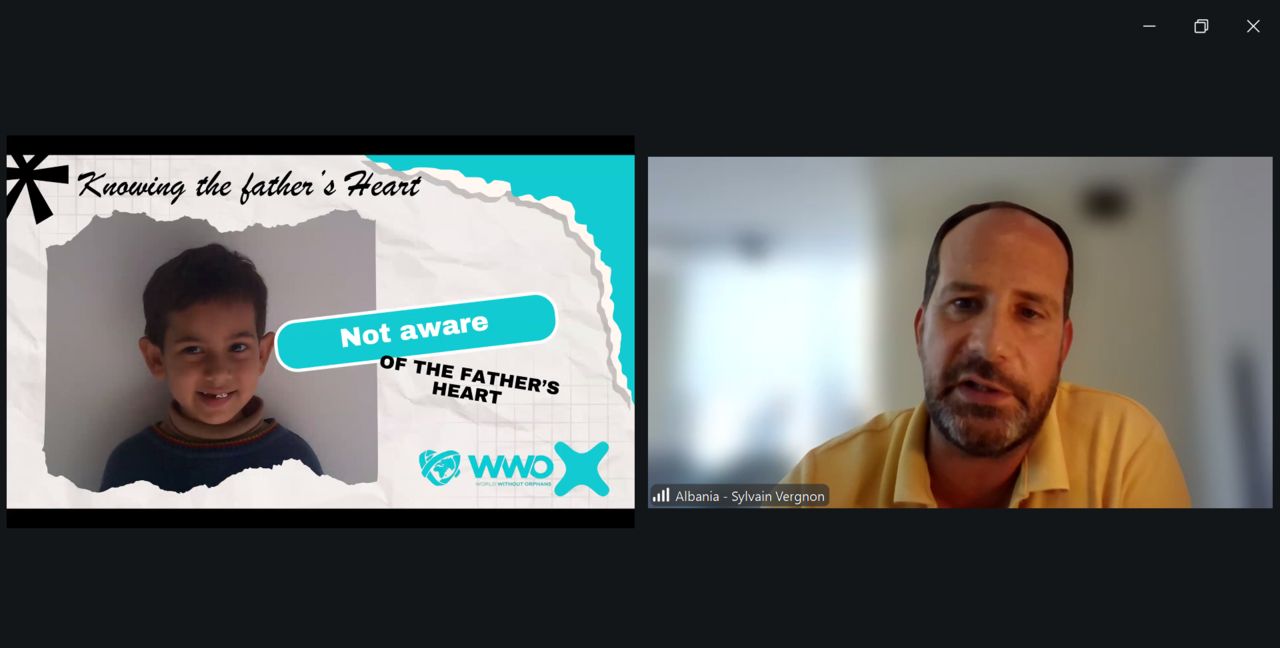
Sylvain Vergnon then shared the story of Layla in Albania, illustrating how faithful presence, mentoring, and the love of God helped a young person move from institutional care toward healing, resilience, and service to others. Layla's journey also revealed how a child who once struggled to recognize the Father’s heart later became a carrier of that same love to those around her.
God-Given Potential
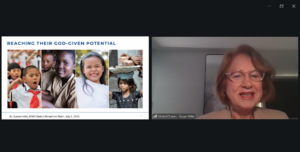
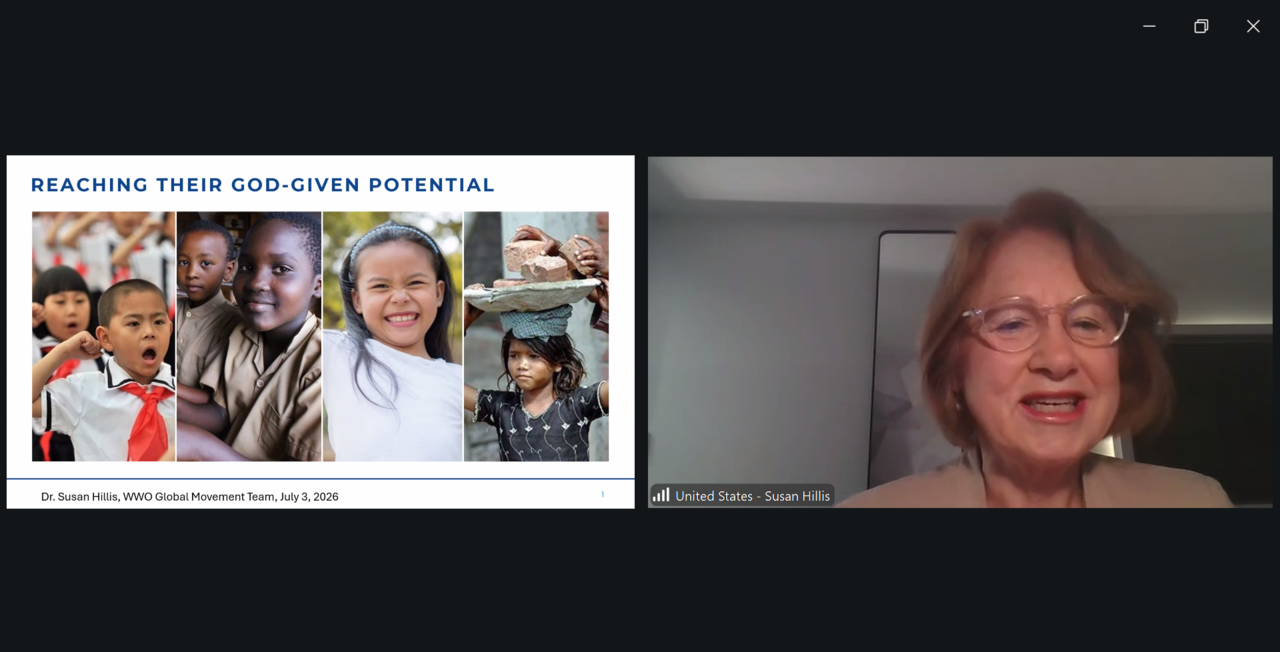
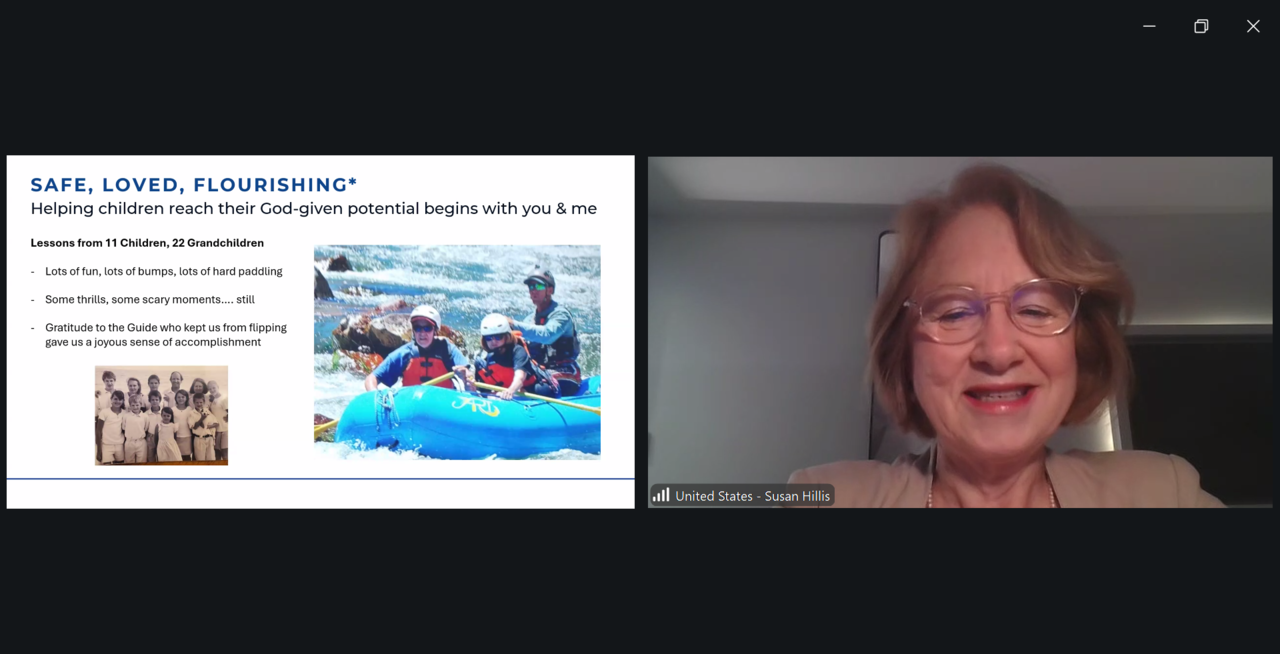
The God-Given Potential section focused on belonging, identity, and flourishing. Rebecca Goropevsek reminded participants that before a child can reach God-given potential, the child needs to know who they are and to Whom they belong. Susan Hillis connected Scripture, research, and lived experience, calling leaders to see God-given potential as something that grows where children are safe, loved, and supported. Her summary was simple and powerful: “Jesus’s heart for children is He wants them to be safe, loved, and flourishing.”
Two breakout conversations gave participants space to connect the teaching to their own contexts. The first focused on the current reality for vulnerable children and families, including the factors that hinder family preservation. The second invited participants to envision what their countries could look like if every child grew up in a safe, permanent family—and to discern where God may be calling them to align with, equip, or mobilize others toward that future.
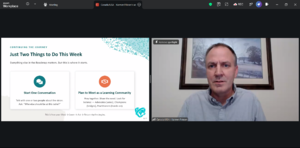
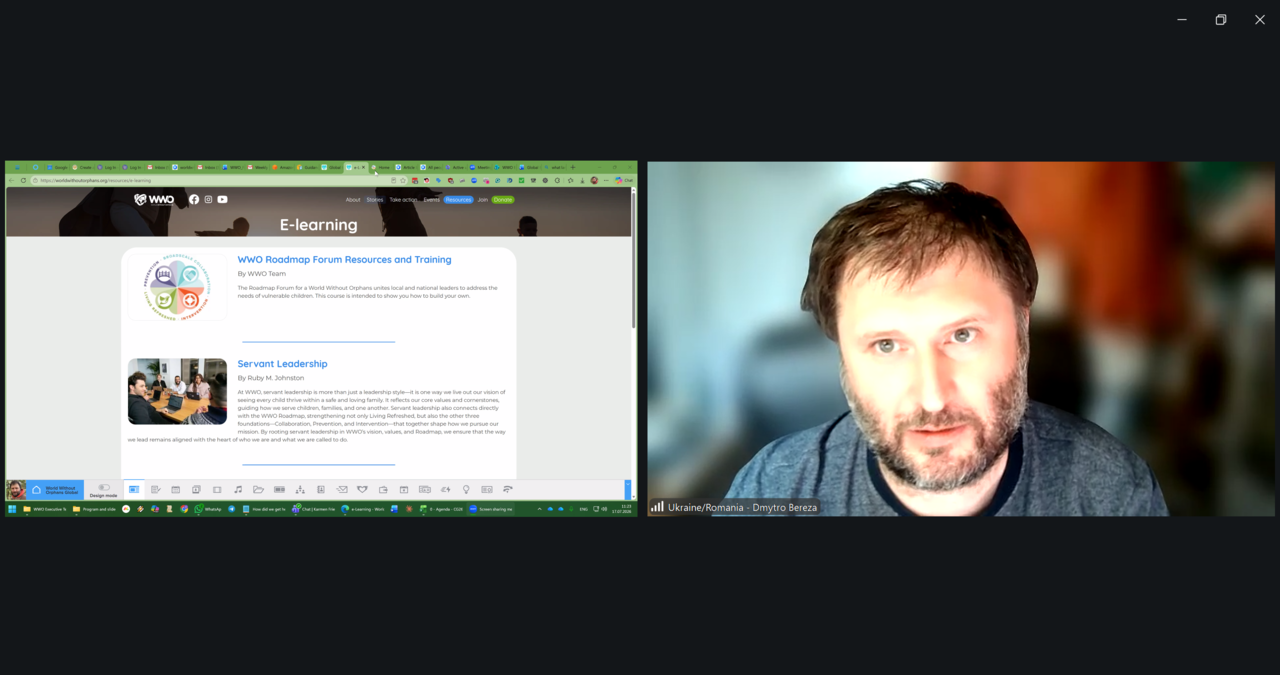
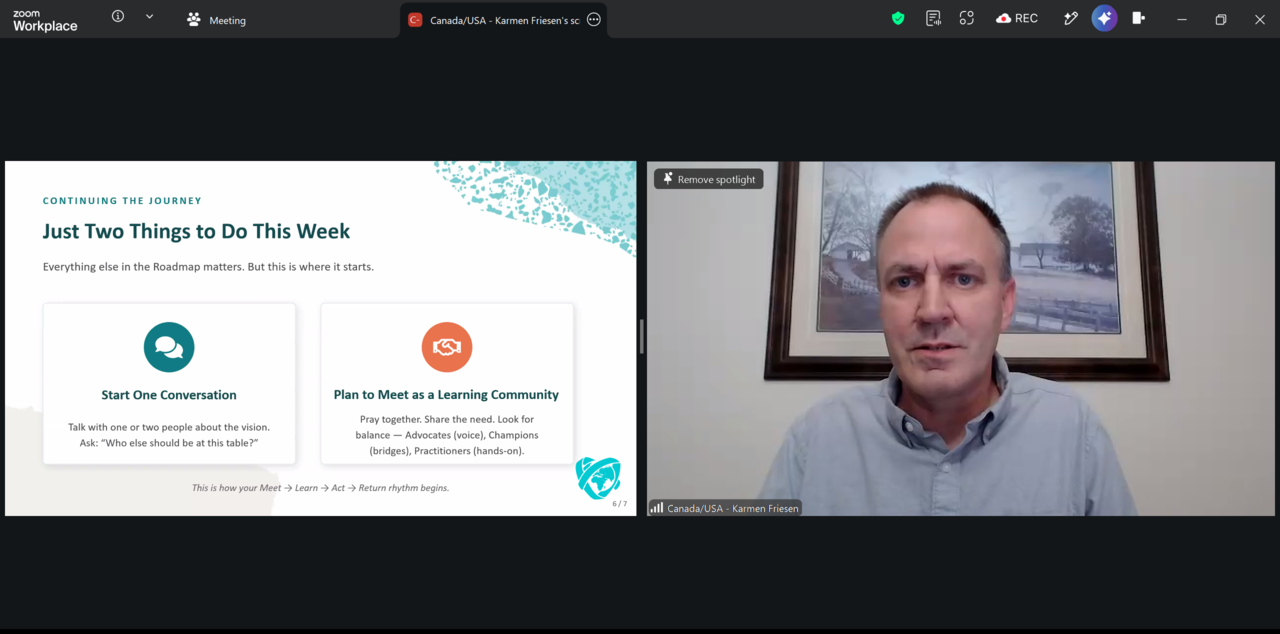
As the gathering turned toward the path forward, Karmen Friesen encouraged participants not to let the day remain only an event. He invited national teams and local groups to keep meeting, learning, acting, and returning to one another with accountability. The WWO Roadmap, e-learning resources, Orphan Sunday tools, and future regional gatherings were named as practical ways to continue the journey.
What Comes Next
WWO Community Gatherings 2026 reminded us that the global vision becomes real through local action. The next step is to keep meeting, learning, praying, and acting together.
As leaders return to their own communities, the invitation is simple: build learning communities, invite others to the table, and take the next faithful step so more children can grow up in safe, loving families and communities, know their Heavenly Father, and reach their God-given potential.