Helping Through Action
On this page you will find action-oriented resources and tools to provide ideas, guides and support for practical ways to help orphaned and vulnerable children.
Engage in a Learning Community
World Without Orphans believes in an action-oriented learning community approach to changing the situation for children in our communities and nations. Therefore, a critical action to take to engage on this journey to a world without orphans is to join or form a learning community in your church, community, province, nation, or world region. In some form, we should all be a part of a learning community to equip us through 1) learning from experts, 2) learning from each other, 3) collaborating with others to help vulnerable children in concrete ways, and 4) staying motivated through mutual accountability to stay and develop on this journey.
In a learning community, we can experience the blessing of different gifts to serve each other and to serve a bigger purpose together.
The Learning Community approach is a vital part of WWO ministry on local, national, regional, and global levels. Community is a gift. To have people with whom we can cry, laugh and share life’s joys is truly a blessing from God, and in these days of uncertainty and crises, we need God’s gift of hope bringing community more than ever. We were not created to be alone and even not to learn alone. In a learning community, we can share life and learn together. In a learning community, we can experience the blessing of different gifts to serve each other and to serve a bigger purpose together.
Learn about the WWO Roadmap foundations
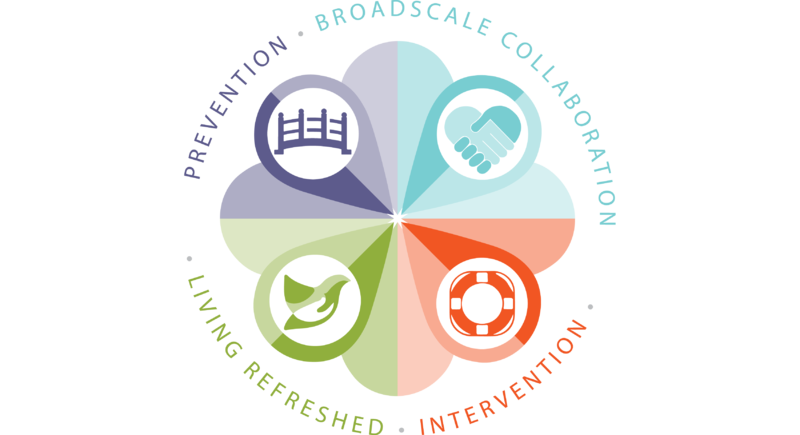
Broadscale Collaboration
The broadscale collaboration section of the roadmap provides a framework. Collaboration, or the process of working together with others, is the foundation of World Without Orphan’s mission. While often it is a single person or group that is called and will serve as a catalyst for change in their own country, WWO’s belief and experience is that God gives a new vision for a broad collaborative approach to addressing the orphaned and vulnerable child crisis. In addition to the Christian community, broadscale collaboration involves partnering with key leaders from other spheres of influence — such as government, academics, business, and media — who value working together for the goal of lasting impact for children and their families.
Intervention
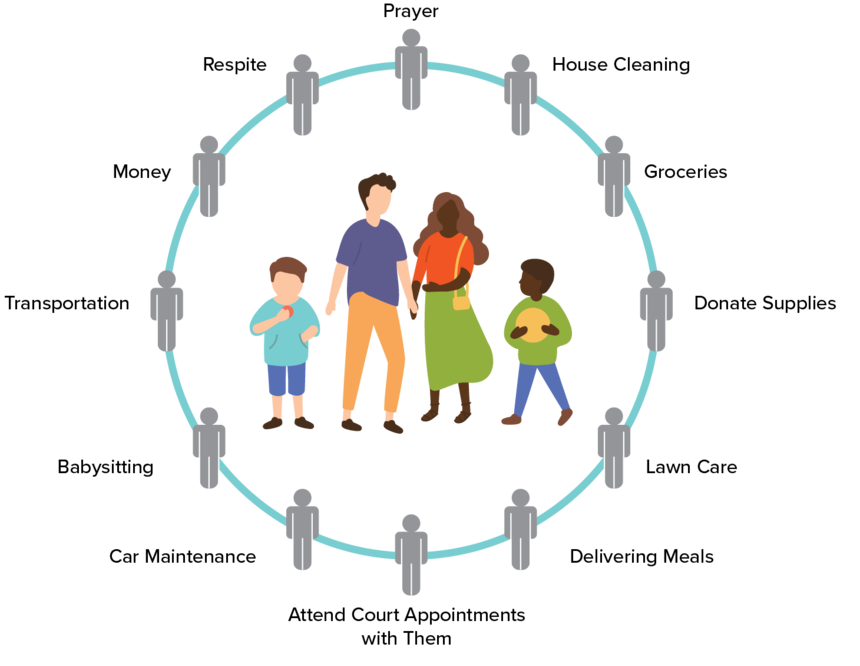
The focus of intervention is on strengthening families, building an understanding of how disaster and war impact a family and family-based care for those children who have been separated from or are at risk of being separated from their families. The church community can wrap arms of love, support, and service around families providing kinship care and for foster and adoptive families, as shown in the figure below. These types of support help keep families strong as they are caring for children in need. Often hurt children hurt others, and families who are caring for wounded children benefit from the love and support of others — spiritually, relationally, and practically. This circle shows small acts of service that make a big difference for families who are loving and welcoming children into their homes and lives.
Child Protection Programs
Safeguarding
WWO Global commits to individual and corporate responsibility for the safeguarding of children. We agree it is never acceptable for a child to experience emotional, physical, sexual, or social abuse, or neglect of any kind. We recognize there are two ways abuse is conducted: commission – where the child is the target of abuse and/or neglect; or omission where the child is left without the needed care that would ensure safety and well-being. We believe that all children are deserving of safety, permanency with a family, nurture, and well-being.
Trauma-informed care
Build a trauma-informed system of care for children and youth who “come from hard places.” Together we CAN achieve our vision that every child will grow up in a safe, stable, and nurturing permanent family and know their Heavenly Father.
Prevention
Root causes of orphanhood and vulnerability in children include violence and poverty. The world’s best research has also shown what works to address violence against children and poverty for all children, including those with disabilities.
Family Strengthening Programs
Hope Groups
Hope Groups - Twelve small group sessions that increase hope for parents in crisis by over 60%, strengthen positive parenting, and decrease depression in parents by over 50%.
Parent and caregiver support
Parenting tips for parenting young children and teens, and programs for fathers.
Parenting Tips
Parenting can be tough - and more so in a crisis. Parenting for Lifelong Health has produced easy-to-distribute parenting tips in over 100 languages. WWO endorses these tips as effective in helping strengthen families and prevent violence against children.
Income Strengthening
Income Strengthening improves families’ economic security and stability, thereby reducing intimate partner violence and child maltreatment. It involves approaches such as making cash transfers to families in combination with parent training and/or on condition that they ensure their children attend school, training mothers and/or fathers and youth in Community Savings and Loan approaches, or providing microfinance in combination with education for men and women on gender norms, domestic violence, and sexuality.
Living Refreshed
When we care for ourselves by staying refreshed in our own relationships with God and close friends, and steward our time and energy well, we will also be well-prepared to collaborate as we serve with other leaders, on the journey together towards a World Without Orphans.
Download our free guide
8 Ways to Impact an Orphaned and Vulnerable Child
We value your privacy. See how we protect your data.