A mother at the gate
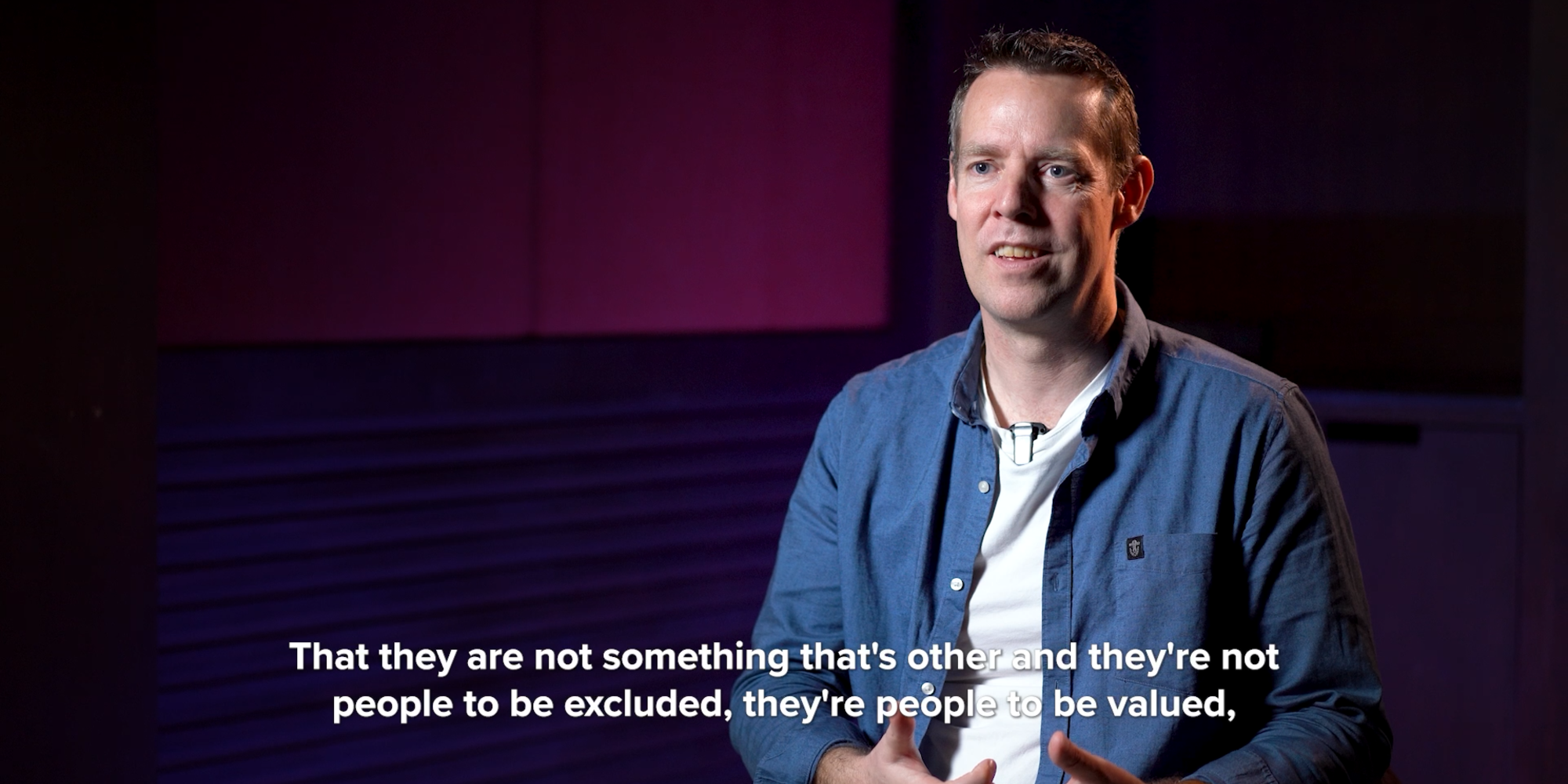
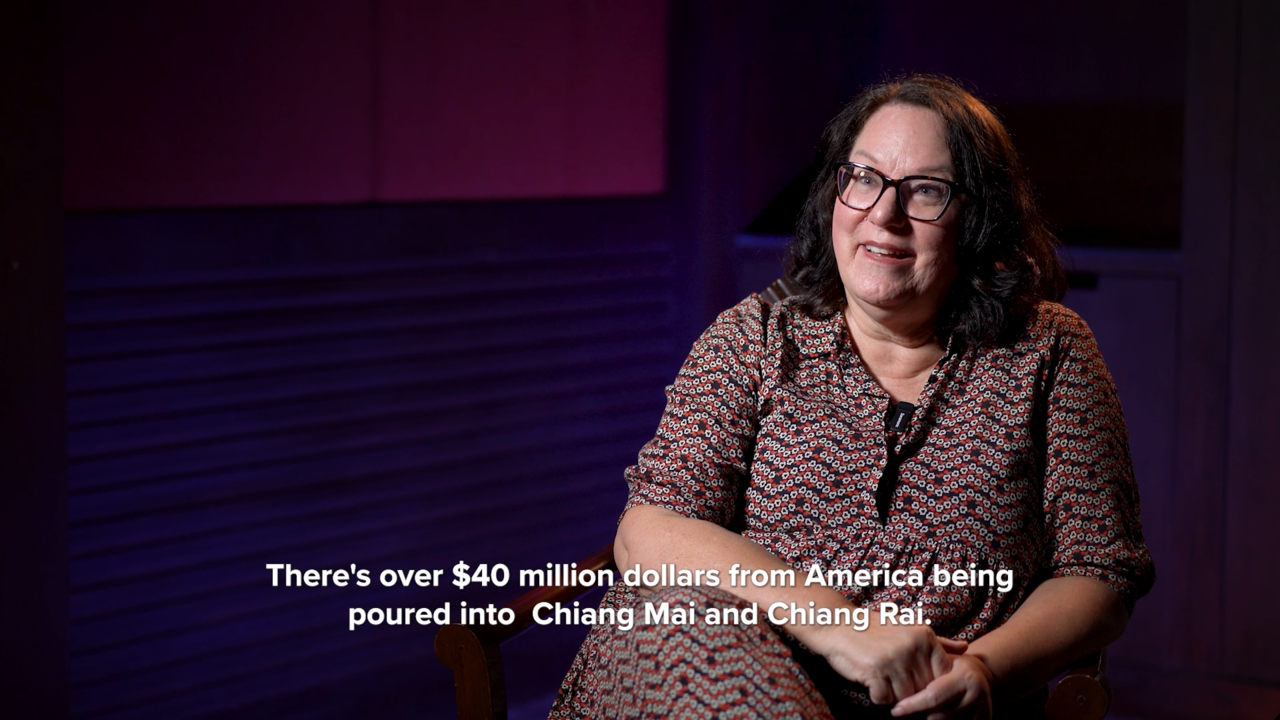
Imagine the agony as a mother tearfully says goodbye to her child at the gate of an orphanage. There is no work and no food at home. She believes the child will be safer with regular meals behind a high wall. But what if there were another way right in her neighborhood so the child could stay with family? Kimberly Quinley, Executive Director and Cofounder of Step Ahead Foundation, offers a different vision in this video bellow.
The problem behind the problem
New research confirms what many leaders are seeing globally: most children are not in residential care because they have no living family, but because families are under pressure: poverty, instability, disability, trauma, or temporary crisis. A 2025 Barna study in partnership with Faith to Action shows a significant shift among U.S. Christians:
- Understanding is rising. Awareness that poverty is a primary driver of orphanage placement rose to 72% (up from 46% in 2020). And 90% agree that children thrive best in families, with strong support for family-based solutions.
- But behavior lags. Financial support for orphanages and children’s homes from U.S. Christians has grown to about $4.5 billion per year, an increase of roughly $2 billion in five years. The share of Christians who financially support residential care also rose by 9 percentage points since 2020.
Full report and infographics here.
What research means for the Church
If poverty and family stress push children into institutions, and if Christians increasingly believe children grow best in families, then the most faithful response is to strengthen families before separation and to support family-based care when intervention is needed.
- Prevention: short-term, practical support that keeps families stable (food security, rent assistance, school fees, access to work, community care).
- Timely intervention aimed at family: ethical, coordinated action oriented toward healing, dignity, and permanency, with kinship care, foster care, and safe reunification as the goal rather than long-term institutionalization.
- Collaboration: churches, local NGOs, and authorities working from a shared WWO Roadmap to ensure efforts are not duplicated, and caregivers are not left alone.
- Living refreshed: sustaining the spiritual and emotional health of leaders and volunteers, so care remains wise, humble, and steady over time.
From awareness to practice: what local churches can do
Lift the arms of caregivers. Many children remain in their families when congregations surround single parents, kinship caregivers, and “struggling grannies” with practical help and community. Start small and near:
- Organize short-term family support teams to cover meals, transportation, respite, and school costs.
- Connect caregivers to livelihood opportunities and church-based benevolence that bridges crisis seasons.
- Build a referral pathway with reputable community services, so help is timely and coordinated.
- Offer trauma-responsive discipleship and prayer that restores dignity and hope.
These are ordinary acts of presence that prevent unnecessary separation.
How the WWO movement helps leaders act
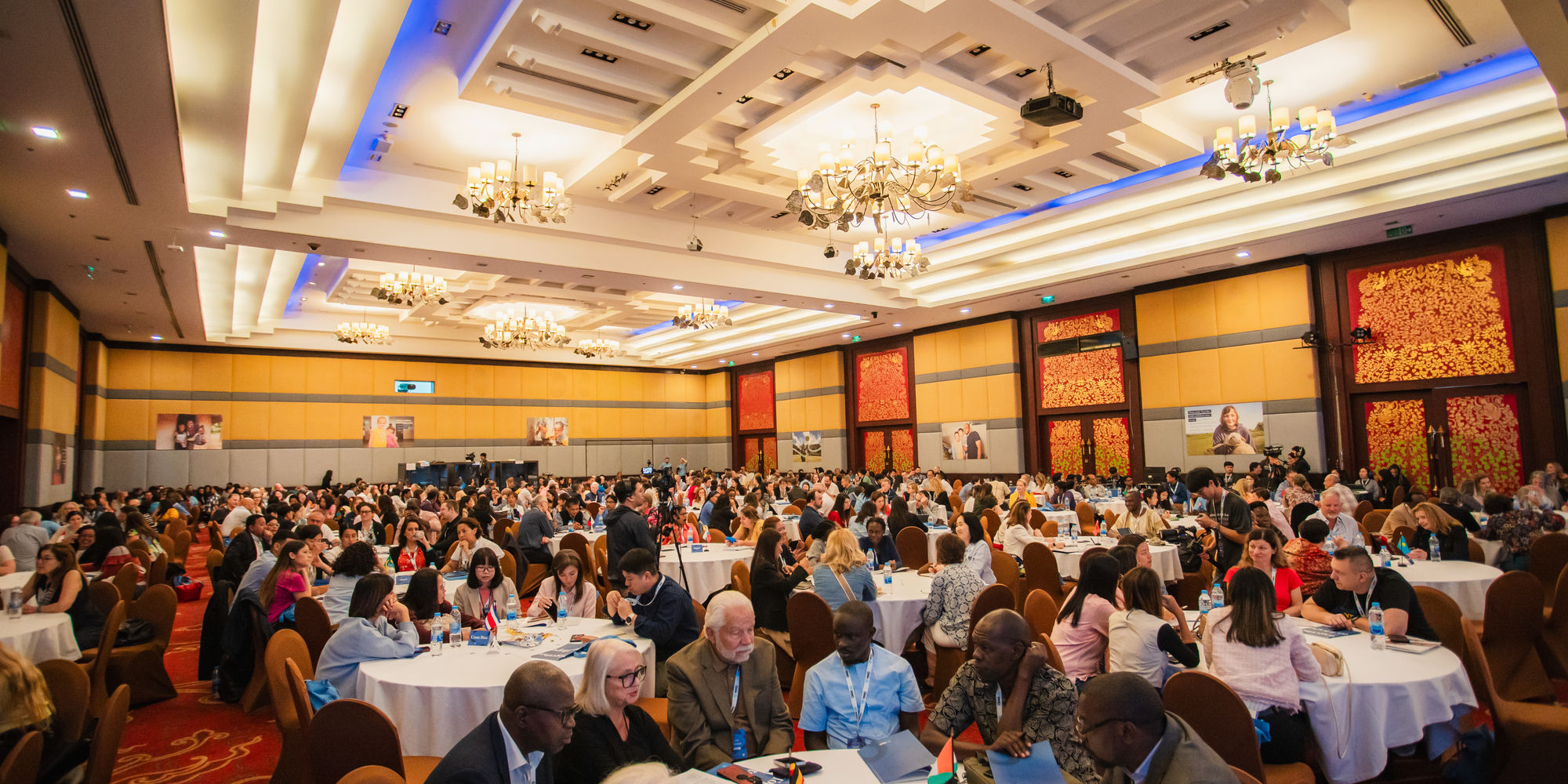
Across regions, national teams and church networks are adopting shared frameworks that connect prevention, intervention, collaboration, and leader health. Through convenings, learning communities, coaching, and practical tools (such as the WWO Roadmap), leaders are aligning around country-led solutions that keep children in safe, loving families and make good use of limited resources.